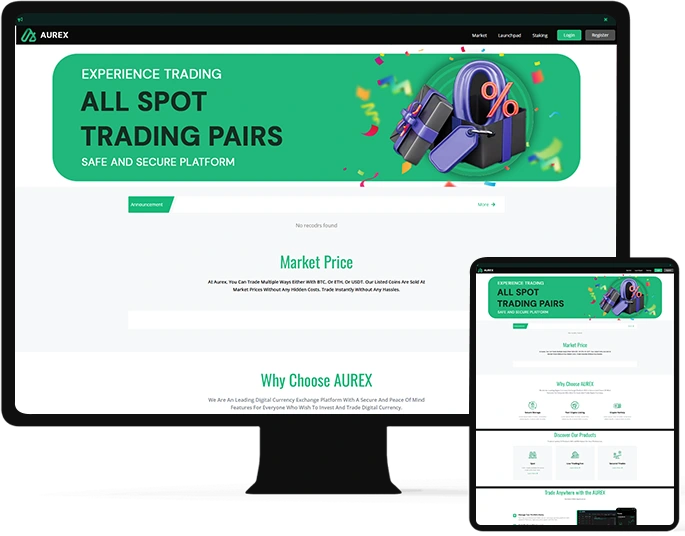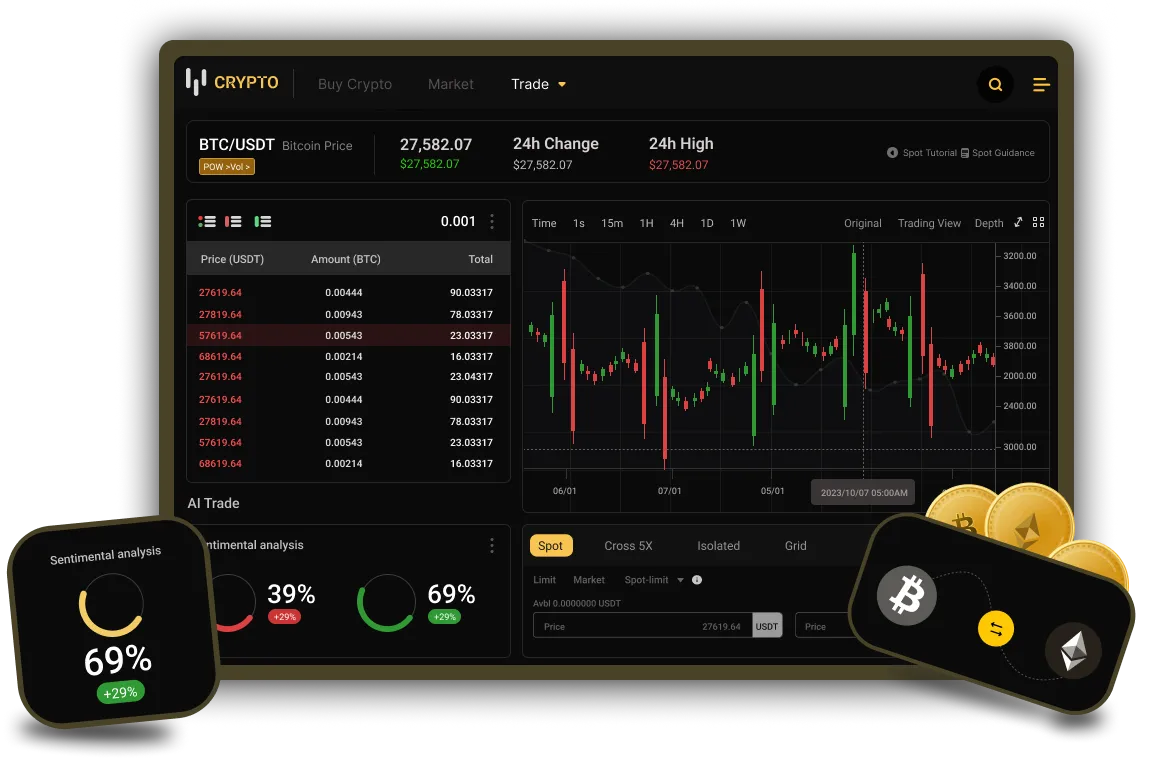
A centralized cryptocurrency exchange is a platform managed by a single authority that facilitates trading between users.
- High liquidity and fast transaction speed
- Advanced trading features (spot, margin, derivatives)
- User-friendly interface and customer support
Centralized exchanges are ideal for businesses targeting high-volume trading and institutional users.
A decentralized exchange enables peer-to-peer crypto trading without intermediaries using Smart Contracts.
- Non-custodial trading (users control funds)
- Enhanced privacy and transparency
- Reduced risk of centralized failure
DEX platforms are suitable for users prioritizing security and decentralization.
A hybrid crypto exchange combines the strengths of centralized and decentralized systems.
- High-speed trading with decentralized security
- Improved liquidity and user control
- Balanced performance and transparency
Hybrid exchanges are ideal for modern trading ecosystems that require both efficiency and trust.
A P2P cryptocurrency exchange allows users to trade directly with each other without an intermediary.
- Direct buyer-seller interaction
- Flexible payment methods (bank transfer, wallets)
- Escrow systems for secure transactions
P2P exchanges are widely used in regions with limited access to traditional banking systems.
An AI-powered crypto exchange integrates AI to enhance trading efficiency and the user experience.
- Automated trading bots and predictive analytics
- Fraud detection and risk management
- Personalized trading insights
These platforms leverage machine learning to optimize trading strategies and platform performance.
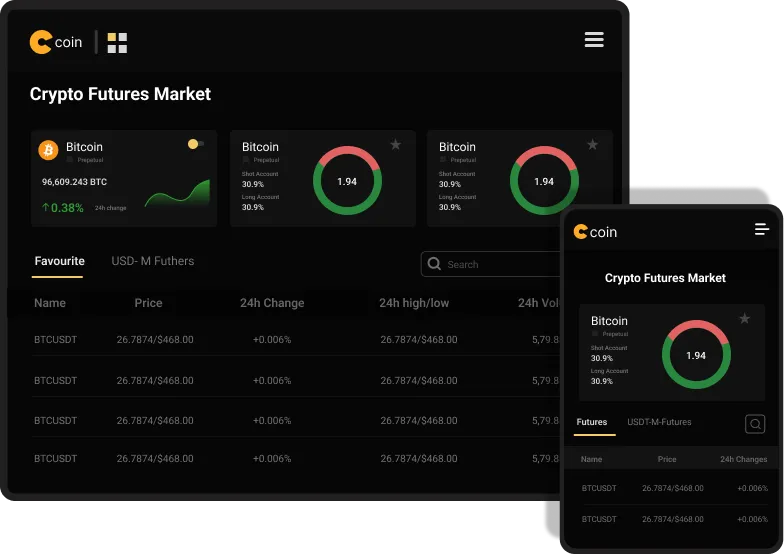
A crypto derivatives exchange enables trading in financial contracts based on the value of cryptocurrencies such as Bitcoin.
- Futures and options trading
- High leverage opportunities
- Advanced risk management tools
Derivatives exchanges are designed for experienced traders seeking hedging and speculative strategies.